 中文版
中文版 English
 Home > Industry News > International Hotspots | The Suez Canal has significantly increased its transit tolls
Following continued turbulence in the Red Sea shipping environment and fluctuations in transport capacity on the Asia–Europe route, the Suez Canal Authority has recently officially announced that, effective from July 15,2026, it will implement a comprehensive increase in all types of temporary transit surcharges for vessels.
Latest official price adjustment details
This additional fee represents a temporary surcharge on top of the base tolls and does not constitute an adjustment to the base tariff rate; the Suez Canal Authority has explicitly stated that this policy is a temporary measure, which may be adjusted or abolished in the future based on developments in the international shipping market. All vessels departing on or after July 15 shall be subject to the new standards.
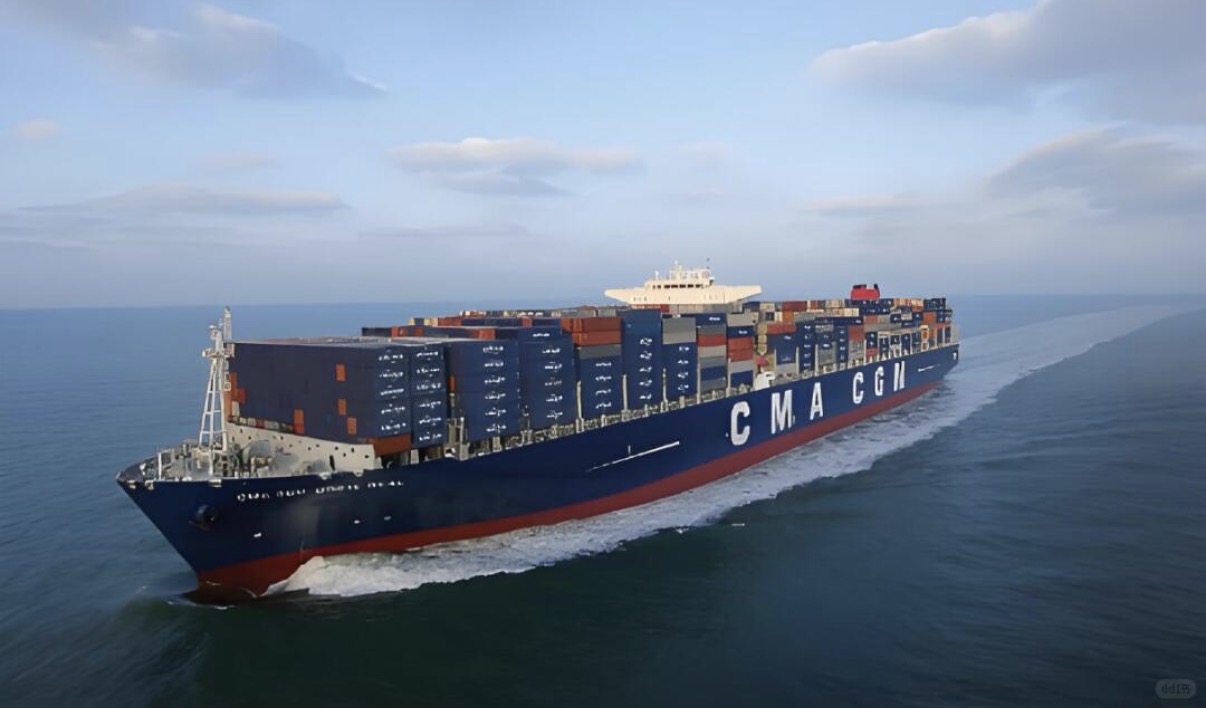
container ship :
The additional fee rate remains unchanged at 12%, and there is currently no pressure for further price increases.
dry bulk carrier :
The surcharge has been significantly raised from the previous 10% to 22%, representing an increase of 12 percentage points. The rate has doubled directly, making this vessel type the one with the most substantial increase in this adjustment round.
Crude oil tanker (full load):
The surcharge has been increased from 25% to 37%, representing an increase of 12 percentage points; for empty tankers, the surcharge has been raised from 15% to 27%.
pure car carrier :
The additional fee for northbound voyages has been raised from 14% to 26%, while the additional fee for southbound vessels remains unchanged at 12%.
Liquefied Petroleum Gas (LPG) tankers and chemical tankers:
The surcharge has been increased from 20% to 32%, representing an increase of 12 percentage points.
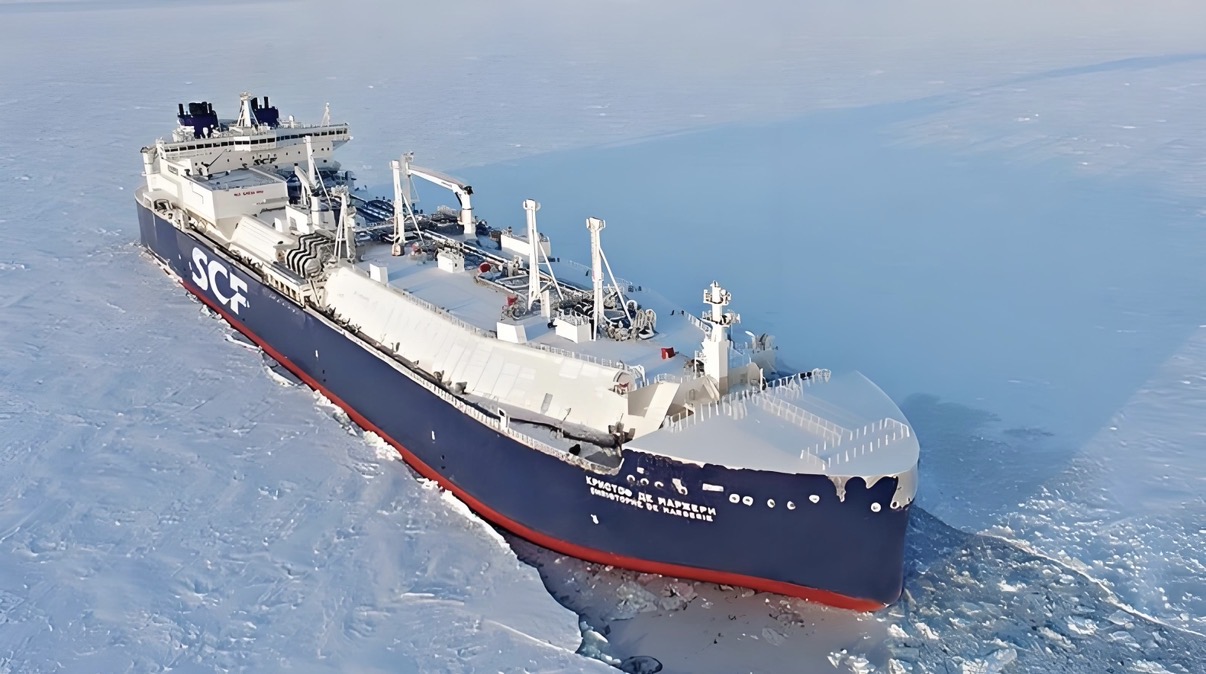
Liquefied Natural Gas (LNG) carriers:
The surcharge was significantly raised from 7% to 19%, representing the highest increase among all vessel types (by 12 percentage points).
Other vessel types:
This applies to general cargo ships, multi-purpose vessels, roll-on/roll-off (Ro-Ro) vessels, and heavy-lift vessels; the surcharge has been uniformly increased from 14% to 26%.
The core impact on the freight forwarding industry
Bulk cargo and energy & chemical shipping routes:
Costs have surged, putting pressure on profits.
Dry bulk cargo, oil products, and chemical products are the hardest-hit sectors in this round of price adjustments. The additional charges for dry bulk carriers have doubled directly, while the increases for energy-related vessels exceed 10%; for freight forwarding companies primarily engaged in the transportation of minerals, grain, crude oil, and chemical raw materials, the transit costs per shipment have risen significantly.
On one hand, upstream shipping companies will rapidly pass on the incremental costs of additional charges to downstream parties, causing freight forwarders' procurement rates to rise accordingly; on the other hand, bulk cargo transportation quotes typically operate under a low-margin model—should these costs surge and the companies fail to adjust their rates in a timely manner, their profit margins will be directly squeezed, further exacerbating the chaotic landscape of low-price competition within the industry.
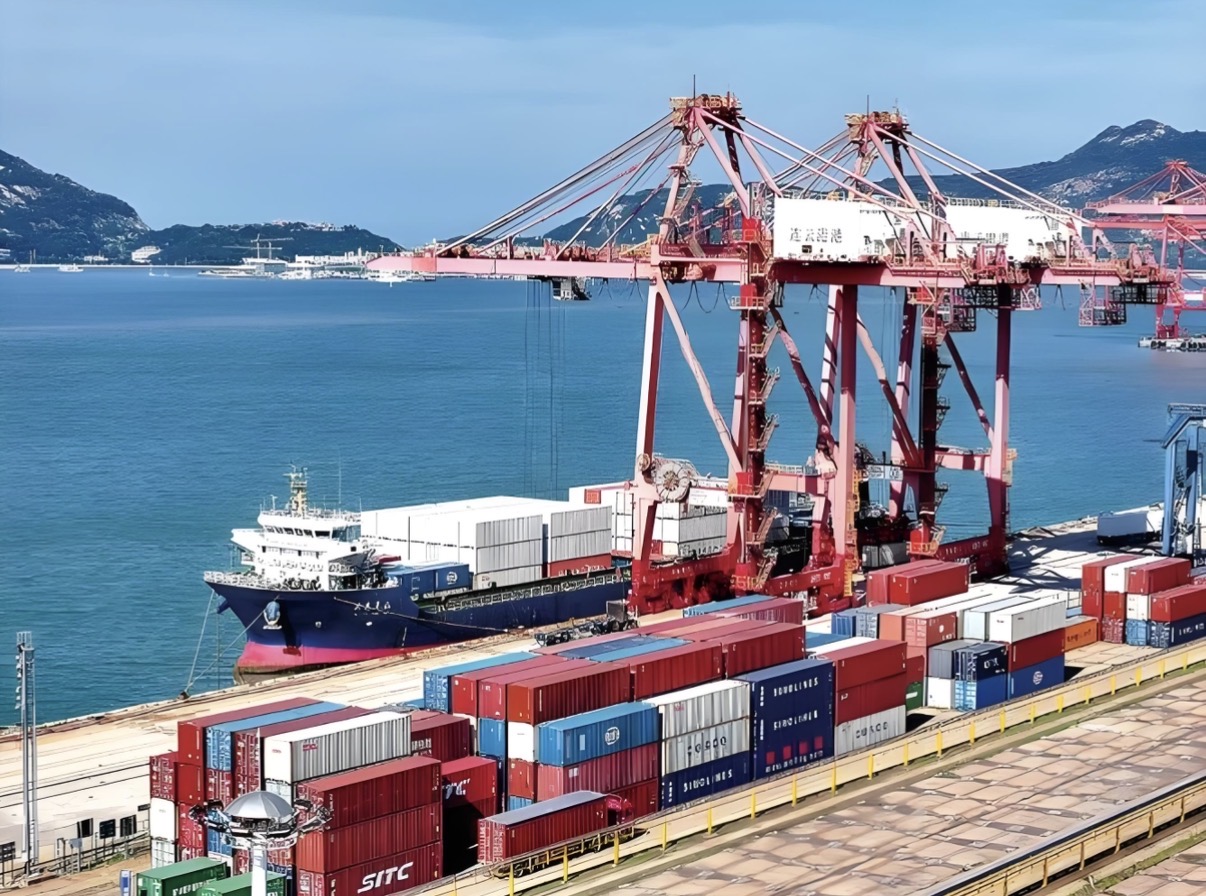
Container line:
The situation remains stable under pressure, but latent risks still exist.
Although container ship surcharges remain unchanged, and container freight rates on the Asia–Europe route and the Middle East route will not see direct increases in the short term, the underlying pressures should not be overlooked.
First, price increases across all vessel categories are driving overall rising costs in the maritime transport sector, leading to an overall increase in benchmark shipping rates; second, rising navigation costs at the Suez Canal may prompt some vessels to opt for alternative routes via the Cape of Good Hope again, thereby extending transit times, increasing fuel costs, and delaying risks, and indirectly impacting the stability of container transportation.
Foreign trade enterprises:
Shipping costs have risen, while order margins have shrunk.
For foreign trade factories and trading companies exporting to the Middle East, Europe, and Africa—particularly those serving customers in the bulk cargo, energy, and chemical sectors—the overall maritime shipping costs have increased directly. In the current environment characterized by meager profit margins on foreign trade orders and intense market competition, rising logistics costs will further squeeze product profitability, potentially rendering some low-margin orders unprofitable or forcing them to suspend shipments.
Strategies for Freight Forwarding Enterprises
Precise cost accounting:
Relevant cargo owners and freight forwarding companies should closely monitor the impact of this additional fee adjustment on the comprehensive freight rates for routes to Europe and Germany, and should fully account for the newly added canal cost item when quoting prices and booking shipments.
Optimize flight route plan:
For cargo transiting through the Suez Canal, it is necessary to re-evaluate alternative routes around the Cape of Good Hope in response to the potential continued rise in canal transit costs.
Proactive communication regarding price adjustments:
Immediately synchronize official price adjustment notices, the reasons for the price increase, and the market context with customers to ensure full transparency regarding cost changes; proactively inform customers of the company's optimization plan to demonstrate professional service capabilities, alleviate customer concerns, and enhance customer loyalty.